
This is an archive of articles written by Anita Westervelt between 2015 and 2021 for the Rio Grande Valley Chapter, Texas Master Naturalist. To focus on the most current information, these earlier articles were retired from the original site. We are pleased to provide a permanent home for them here. Please note that the articles are preserved mainly in their original form and may contain outdated information or links. For Anita’s current work, please visit the South Texas Border Chapter’s blog: stbctmn.org/blog.
-
Friends in low places – Texas Indigo snakes
By Anita Westervelt, Texas Master Naturalist. If you’ve never seen a big, beautiful Texas Indigo snake, it’s an amazing sight. They are active in the day time, although much of their time is spent hiding. You are most likely to see one of these beauties in lightly vegetative areas near a permanent water source. They…
-
Lower Valley places 10th for species count in global nature challenge
By Anita Westervelt, Texas Master Naturalist SAN BENITO, TEXAS–The Lower Rio Grande Valley placed 10th in a recent City Nature Challenge bioblitz in competition with 67 other cities around the globe. The challenge rated three levels of competition: most observations (of nature), most individual species and most people participating. The four counties of the Lower…
-
Cane toad — as toad’s go, it’s a giant
By Anita Westervelt, Texas Master Naturalist The largest toad in the world calls the extreme south of Texas home. The cane toad (Rhinella marina), also known as giant toad, neo-tropical toad or marine toad, is a large land toad native in the Valley, south to Mexico, and into Central and South America. Cane toads are…
-
Colorful flowers bring a rainbow of butterflies
Story and photos by Anita Westervelt, Texas Master Naturalist September’s rains provided a tremendous favor for our fall kaleidoscope of butterflies. What’s rain got to do with it? It created a burst of blooms in our native plant communities. More blooms, more butterflies. The opposite is true in drought years. No rain, no blooms, butterflies…
-
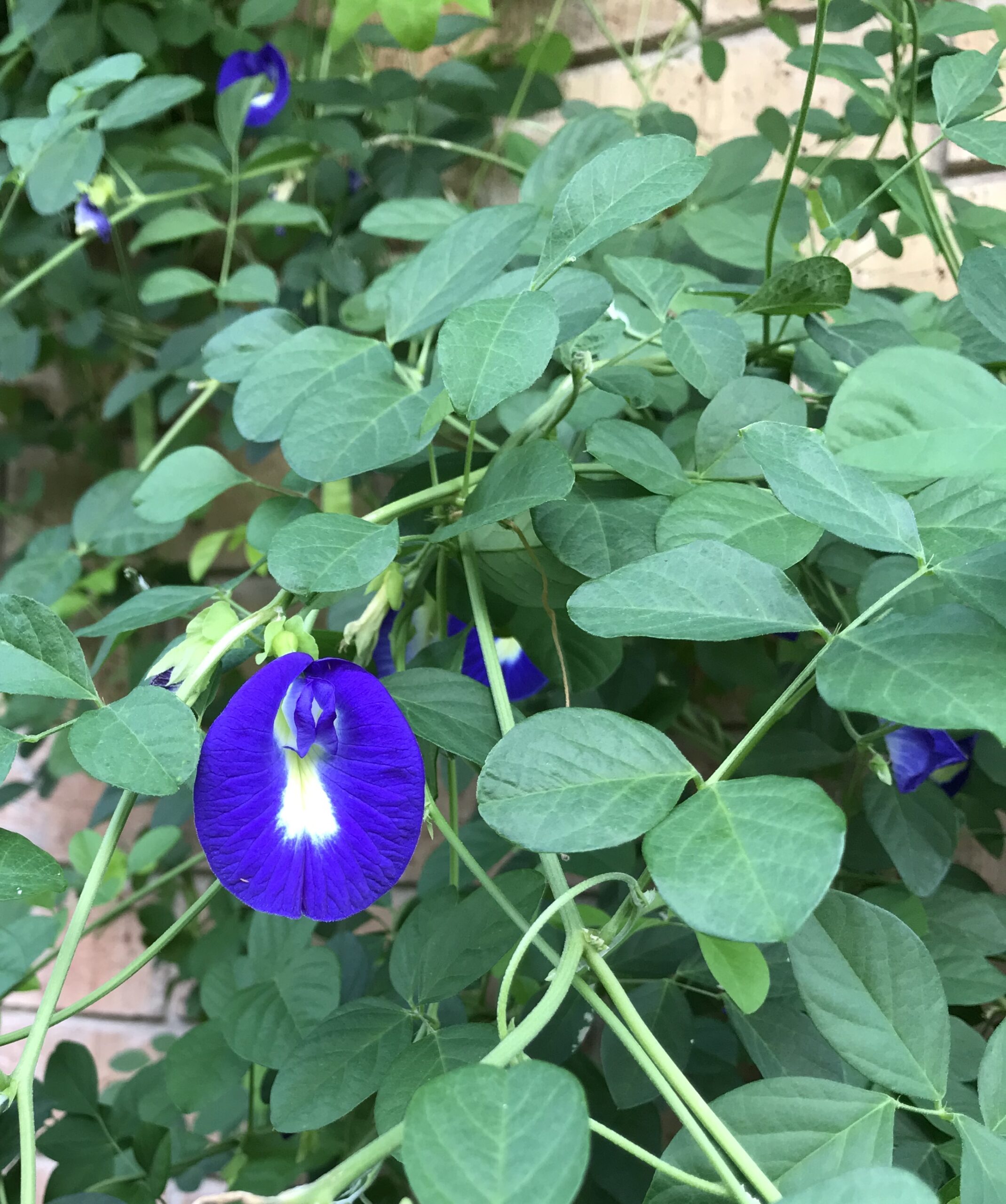
Vines add color and vertical interest while attracting birds and butterflies
by Anita Westervelt, Texas Master Naturalist Several years ago, I dedicated a partially dead mesquite tree as a natural trellis for a native climbing milkweed (Funastrum cynanchoides). The vine travelled up the trunk, veered off in the appropriate direction and reached the highest branches by the second spring. Lovely globes of pink-edged white blooms peppered…
-
What Bird is that?
Story and photos by Anita Westervelt, Texas Master Naturalist Identifying birds isn’t always easy in the Rio Grande Valley. Young birds don’t always come into their adult markings until they are a year or more old. In the field, or in your backyard, when you see an unusual bird you’ve not noticed before, scout the…
-
The greatness of the Valley’s kiskadees
By Anita Westervelt, Texas Master Naturalist Many are familiar with the startlingly shrill shriek of the great kiskadee, but many don’t realize what a rare treat it is to have this bird in North America. The Rio Grande Valley is the great kiskadee’s northern most range where it is a permanent resident. Another not so…
-
Armadillo — an important, if somewhat annoying, Texas critter
By Anita Westervelt, Texas Master Naturalist The nine-banded armadillo is the only species of armadillo in the United States, although 20 species exist throughout Central and South America. Nine-banded armadillos live throughout Texas except in the Panhandle and the Trans-Pecos. The species is found as far north as southeast Nebraska and Illinois, and east through…
-
Check out the dunes on your next beach day
Story and photos by Anita Westervelt, Texas Master Naturalist In the rush to get over hot sand and into the surf, the plant life of a dune is often overlooked. Fun surprises take shape when a more focused look at a dune’s plants are studied. Just as in a fallow field alongside a road, a…