
This is an archive of articles written by Anita Westervelt between 2015 and 2021 for the Rio Grande Valley Chapter, Texas Master Naturalist. To focus on the most current information, these earlier articles were retired from the original site. We are pleased to provide a permanent home for them here. Please note that the articles are preserved mainly in their original form and may contain outdated information or links. For Anita’s current work, please visit the South Texas Border Chapter’s blog: stbctmn.org/blog.
-
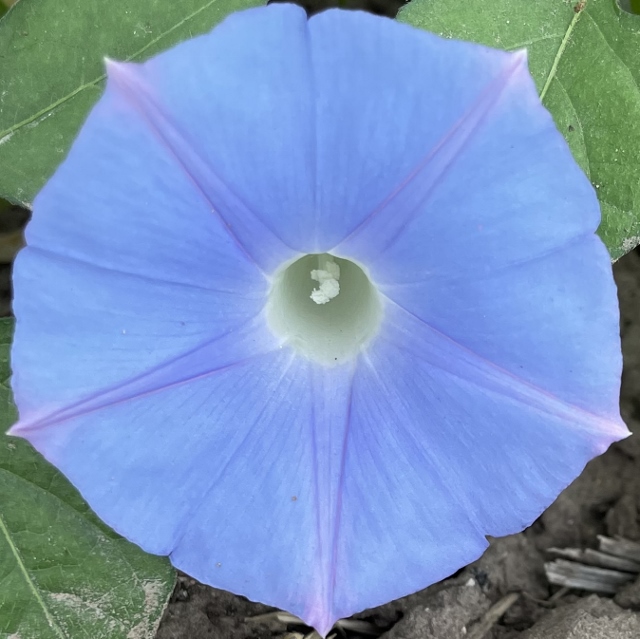
Blue surprises along the edge of the road
Story and photos by Anita Westervelt The City Nature Challenge 2021 has come and gone. More than 1,270,000 observations were uploaded to www.iNaturalist.org database from individuals in 419 cities from 44 countries worldwide. The challenge is in its sixth year and the fourth year that the Lower Rio Grande Valley participated. This year, 146 local…
-
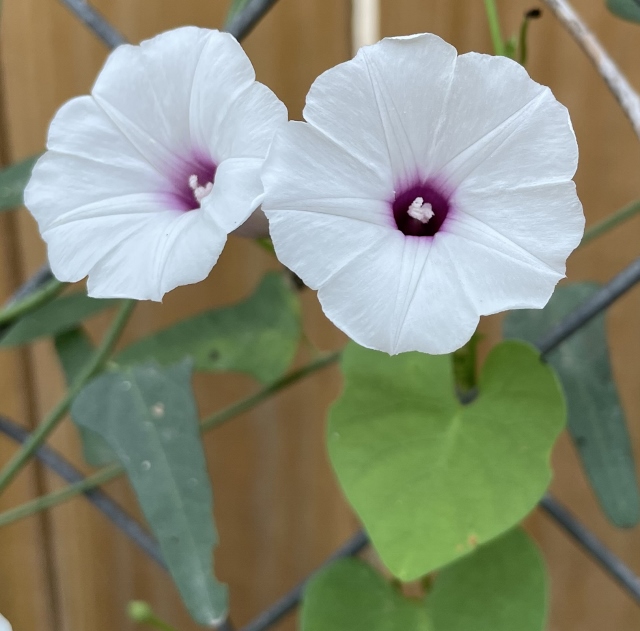
Anita’s Blog — Another Bio Blitz Starts Today
There’s another bio blitz starting today — Texas Invasive Species Bio Blitz. This one is all about invasive species and it runs for eight days. Here’s the notice from the iNaturalist website this morning: “The 2021 Texas Invasive Species Bio Blitz Starts Today, May 15 and runs through Saturday, May 22, 2021 Now that the…
-
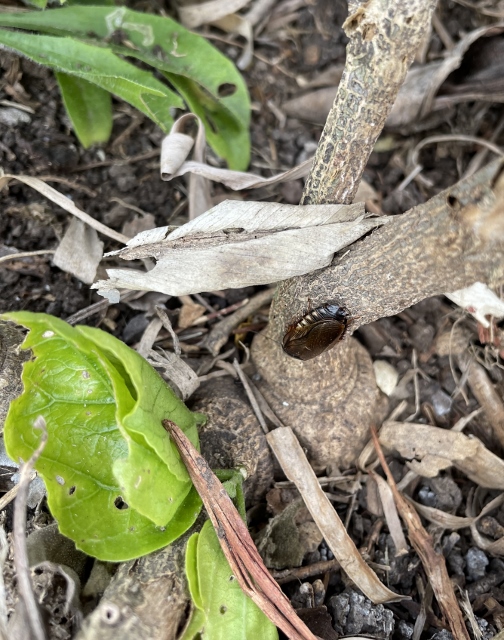
For the love of bugs — and birds
Story and photos by Anita Westervelt, Texas Master Naturalist I never thought I’d be thrilled to see a cockroach. As I was removing dead branches from emerging growth on a shrub, I disturbed a bug and managed to capture a quick shot with my phone camera. I uploaded the image to an iNaturalist phone app…
-

Anita’s Blog — Ready for CNC 2021
I can’t believe I was thrilled to find a cockroach the other day. I was removing deadwood from a shrub when I disturbed a bug and managed to get a quick shot good enough to identify on www.iNaturalist.org. — a Surinam cockroach. My yard is still bug shy from winter storm Uri — the drought…
-

Annual City Nature Challenge can help identify species at risk of extinction
Story and photos by Anita Westervelt, Texas Master Naturalist A number of organizations are concerned with species at risk of becoming extinct and their interests include helping to stabilize and protect populations of those species. A few such organizations are the U.S. Fish & Wildlife Service, National Wildlife Federation, World Wildlife Fund and the Texas…
-
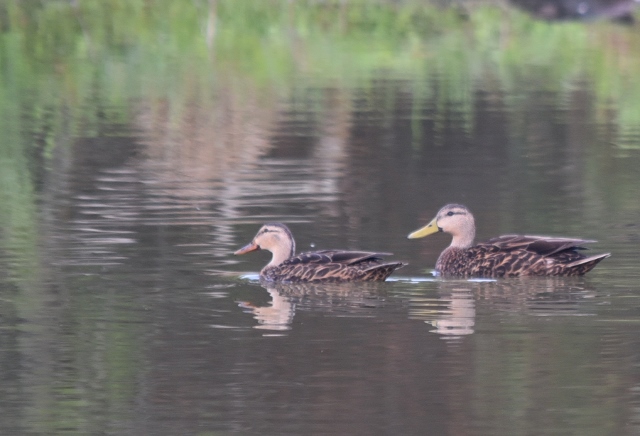
Anita’s Blog — CNC – BOLO SGCN
Texas hosts well over 1,300 species of animals and plants that are considered to be Species of Greatest Conservation Need (SGCN), along with species that have been afforded legal protection (Federal and State Listed Species) due to risk of extinction. When we’re all out for the four days photographing during this year’s City Nature Challenge,…
-

Annual City Nature Challenge April 30 to May 3
— A citizen science program that encourages local participation Story and photos by Anita Westervelt, Texas Master Naturalist What’s London rocket, hairy panther ant, Texas nightshade, Brochymena arborea and pepperweed got to do with it? Throw in some spotted lady beetles, evening primrose and sand phacelia and you’ve got spring along the colorful Valley…
-

Think butterflies when looking to replace garden plants
By Anita Westervelt, Texas Master Naturalist Plants are considered native to an eco-region when they’ve gone through the test of time, say a couple hundred years. Master Naturalists advocate planting native species because they withstand a variety of weather, such as February’s brutal freezing temperatures. The Valley’s weather challenges include drought, flood, wind, heat, sun,…
-

They’re not gone, just brumating
— Sunny days bring out the lizards Story and photos by Anita Westervelt, Texas Master Naturalist One warm, sunny, winter day you see a lizard sitting on a post soaking up the sun and realize you haven’t seen many lizards lately. Well, they’re not gone, they’re likely just brumating. Lizards are ectotherms, which means their…